Youth sports can help kids build character by giving them regular opportunities to work with others, take responsibility, communicate, lead and respond when things don’t go their way. Those lessons don’t happen automatically, but a positive sports environment can give kids a place to practice them over and over again.
Teamwork: Learning That It’s Not Just About You
Being part of a team means other people are counting on you.
Kids learn to listen, communicate and work toward a shared goal—even when they’d rather take the shot themselves. TrueSport identifies communication, leadership, hard work, conflict resolution, self-discipline and accountability as skills that contribute to successful teamwork.
And teamwork isn’t just about following. Kids can learn when to lead, when to listen and how their effort affects everyone around them.
Resilience: What Happens After the Mistake?
A missed shot. A strikeout. A tough loss. A skill that takes weeks to learn.
Sports give kids plenty of opportunities to encounter disappointment—and then decide what happens next.
Resilience can look surprisingly ordinary: trying again after a mistake, accepting feedback or coming back to practice after a difficult game. Guidance on youth resilience also emphasizes helping children acknowledge disappointment, learn from mistakes and focus on effort and progress.
Accountability: Other People Are Counting on You
Showing up matters. So does effort.
On a team, kids begin to see that their choices affect other people. TrueSport describes accountability as part of teamwork: players are accountable to one another for their actions and effort.
That lesson can start with something as simple as arriving ready for practice or doing your job on a play.
Leadership Doesn’t Require a Captain’s Armband
Leadership can happen at any age.
It might be encouraging a teammate, helping someone who’s new, leading a warm-up or staying positive when a game gets difficult.
The University of Florida recommends giving young athletes opportunities to lead during practices and make age-appropriate decisions during games, rather than reserving leadership for only one or two.
Learning to Handle Conflict
Put a group of kids on a team and eventually they’re going to disagree.
That’s not necessarily a bad thing.
With appropriate guidance, disagreements can give kids opportunities to explain a problem, listen to another perspective and work toward a solution. Coaches can help by encouraging communication and active listening rather than simply solving every disagreement for their players.
The Adults Matter, Too
Simply registering for a sport doesn’t guarantee these lessons.
The environment matters.
Coaches and parents help shape what children take away from sports by how they respond to mistakes, effort, winning and losing. The University of Florida notes that coaches who emphasize learning, teamwork, communication, leadership and conflict resolution can support development beyond athletic performance.
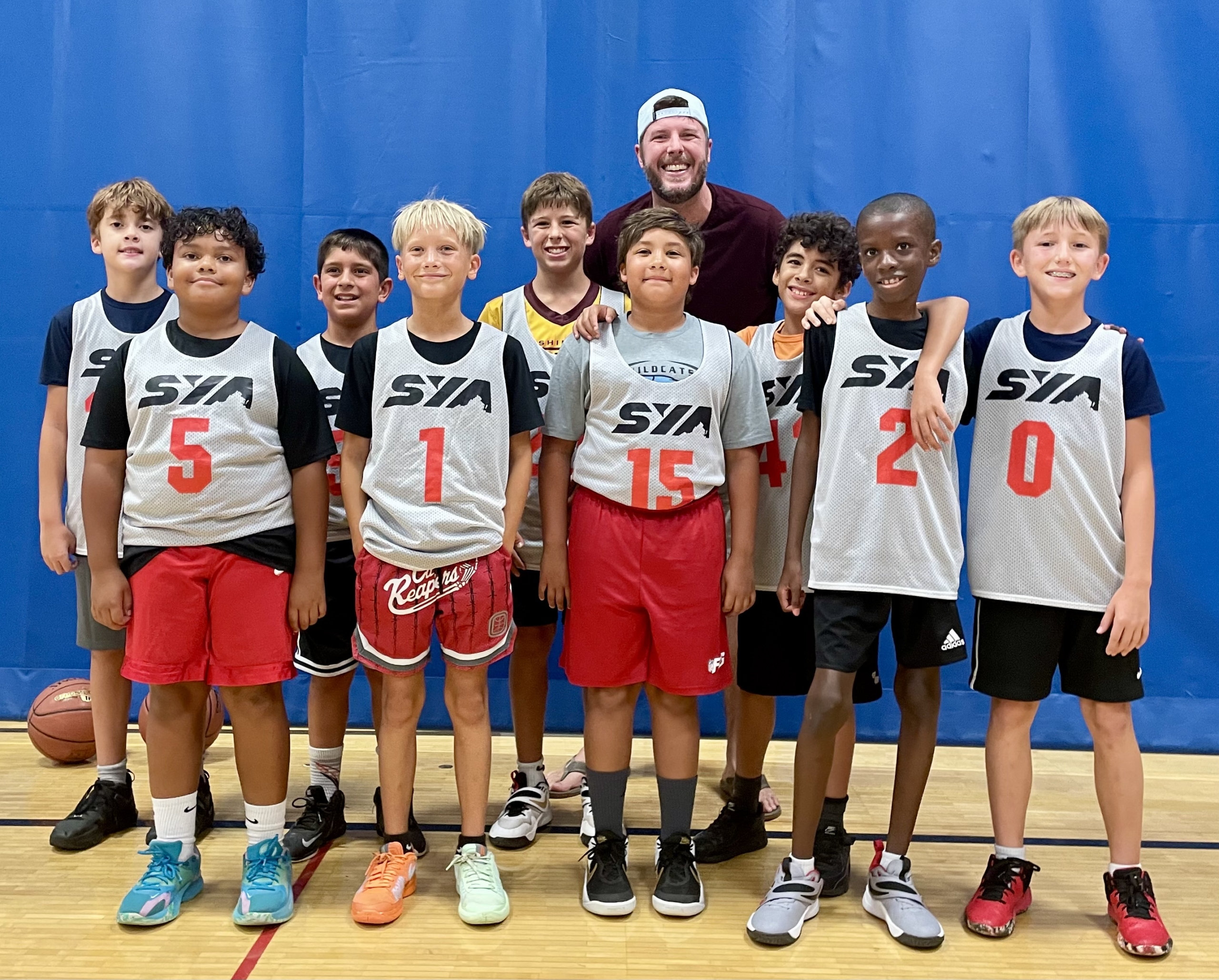
At SYA in Northern Virginia, that’s an important reminder: the scoreboard is one part of youth sports, but it’s certainly not the only part.
Frequently Asked Questions
How do youth sports teach teamwork?
Kids get repeated opportunities to communicate, cooperate, share responsibility and work toward a goal with other people.
How can sports help kids develop resilience?
Practices and games naturally include mistakes, challenges and losses. With supportive adults around them, kids can practice responding to those setbacks, learning from them and trying again.
Does playing sports automatically build character?
No. The quality of the experience matters. Coaching, parent behavior, team culture and how adults respond to success and failure can all influence what kids take away from sports.