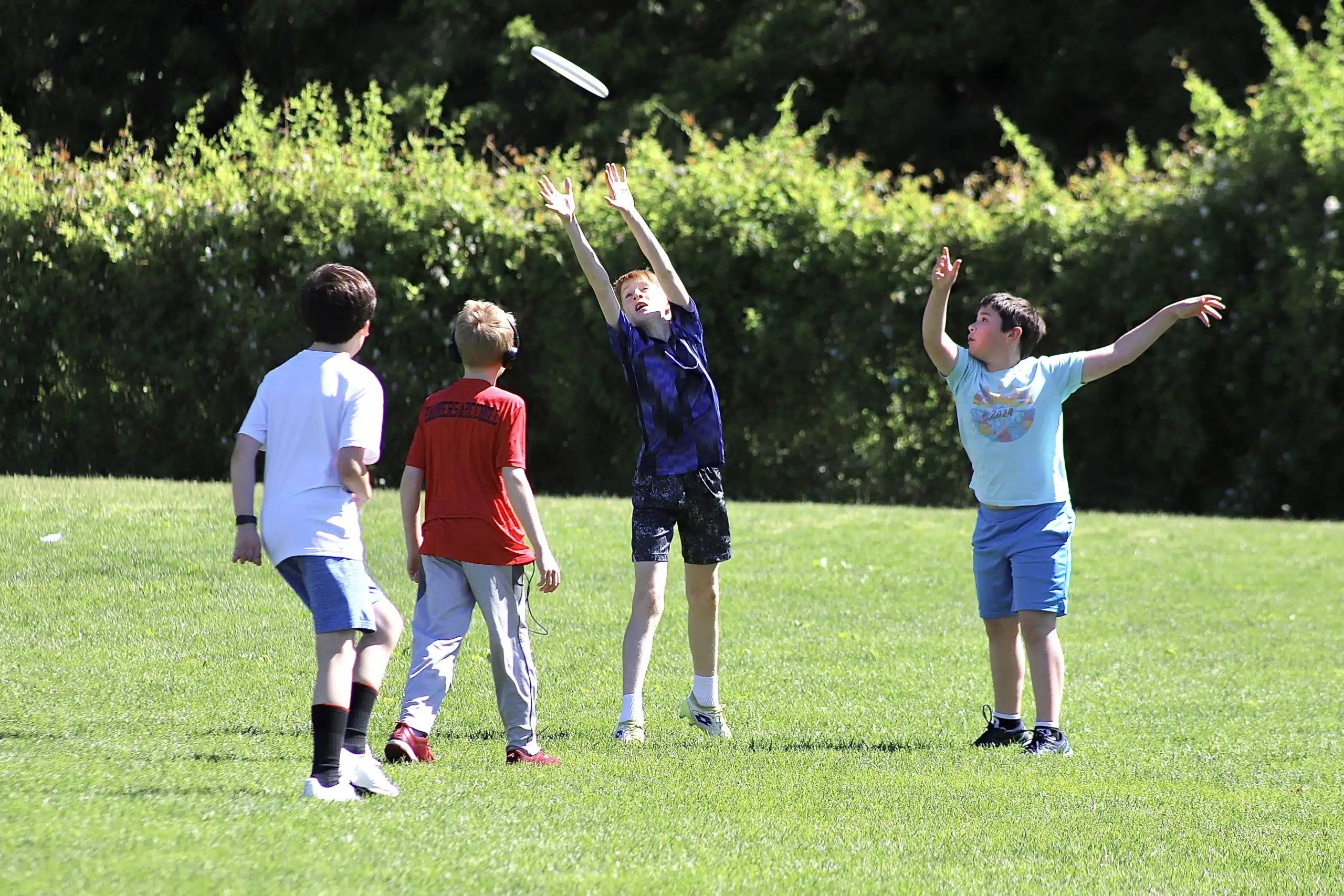
Youth sports can give kids something they don’t always get from a classroom or screen: regular opportunities to practice social skills in real-life situations. At practices and games, kids communicate, work with teammates, handle disagreements, meet new people and experience winning and losing together.
Research cited by the U.S. Department of Health and Human Services also connects youth sports participation with opportunities to develop teamwork, leadership and relationship-building skills.
Learning to Be Part of a Team
Being on a team means learning that not everyone has the same role.
Kids practice listening to coaches, cooperating with teammates and working toward a shared goal. Sometimes that means making the pass instead of taking the shot. Other times, it’s encouraging a teammate who’s having a rough game.
Those everyday moments help kids practice cooperation and shared responsibility.
Practicing Real Communication
Sports give kids plenty of reasons to communicate.
They may need to ask a coach a question, listen to instructions, call for the ball or work through a misunderstanding with a teammate.
Sports can provide repeated opportunities to practice both speaking up and listening to others—two skills that matter well beyond the field or court. Youth development organizations also point to teamwork, listening, and communication as important social experiences within sports.
Building Confidence Through Experience
Confidence doesn’t have to come from scoring the winning goal.
It might come from finally learning a skill that was difficult last week, trying something new in front of teammates or realizing, Hey, I can do this.
Sports won’t automatically make every child confident, but they can create opportunities for kids to see their own progress.
Learning to Handle Wins, Losses—and Conflict
Games come with emotional highs and lows.
Kids may have to deal with a disappointing loss, a mistake, a disagreement or a teammate who sees things differently. With guidance from coaches and other adults, those moments can become opportunities to practice sportsmanship, manage frustration and figure out how to move forward.
Finding a Place to Belong
A team can bring together kids from different schools, neighborhoods and friend groups.
And they already have something to talk about: the sport they’re playing.
That shared experience can make it easier to form relationships and feel part of a group. Research summarized in youth-sports resources also identifies social connection, teamwork and belonging among the potential benefits of participation.
At Southwestern Youth Association (SYA) in Northern Virginia, we see those little moments all the time—on sidelines, at practices and between plays. They’re a good reminder that youth sports can be about much more than the final score.
Frequently Asked Questions
Can youth sports help a child who is slow to warm up to others make friends?
They can provide natural opportunities to meet other kids through a shared activity. Every child is different, but regular practices and games give teammates time to get to know one another.
Does my child have to be athletic to benefit from youth sports?
No. Kids can benefit from participating, learning, interacting with teammates and trying new things regardless of their current skill level.
Which youth sports are good for beginners?
Many recreational programs welcome first-time players. The best fit depends on your child’s age, interests and the experience they’re looking for. [Not sure where to start? See our guide to choosing an SYA sport.]